History
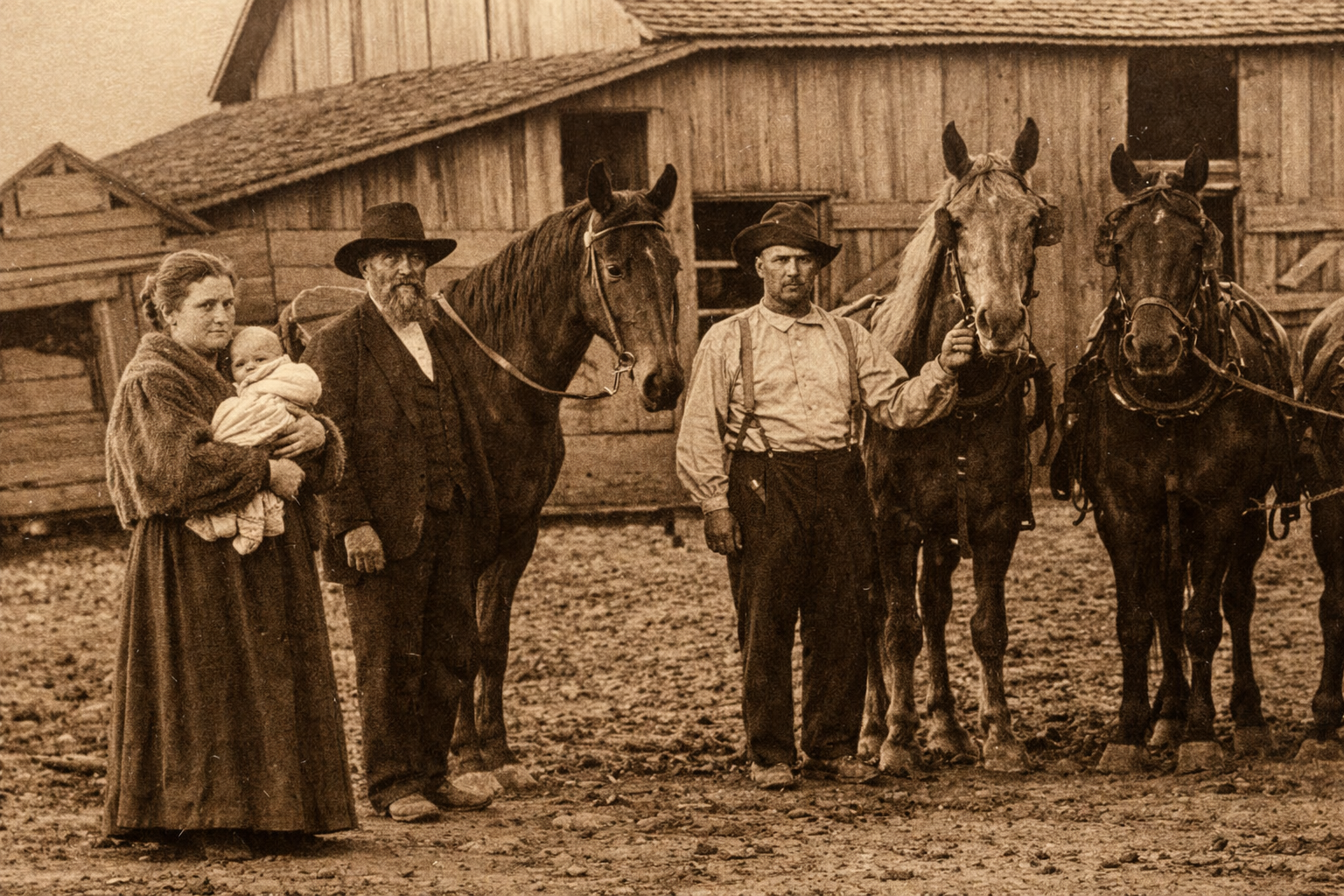
Horses have been part of my family for a long time. My great-great-grandfather, Samuel Watkins, bred Peter McCue, who became one of the foundation sires of the American Quarter Horse, and my father served as an Illinois racing commissioner. Keeneland was the first racetrack I came to know, and many good afternoons at the great tracks across this country have followed.
For close to thirty years I worked in a consulting engineering firm, designing systems for hospitals, universities and other state facilities. In that work, accuracy was the minimum requirement; the systems had to function and keep people safe, and nothing less was acceptable. The method behind 12 Horses Racing is held to the same standard.
In the 1980s I even wrote handicapping software that was offered in the Daily Racing Form. The method grew out of all of it, the engineering, the software and those afternoons at the track, and its results are published every weekend, wins and misses alike.
The Line
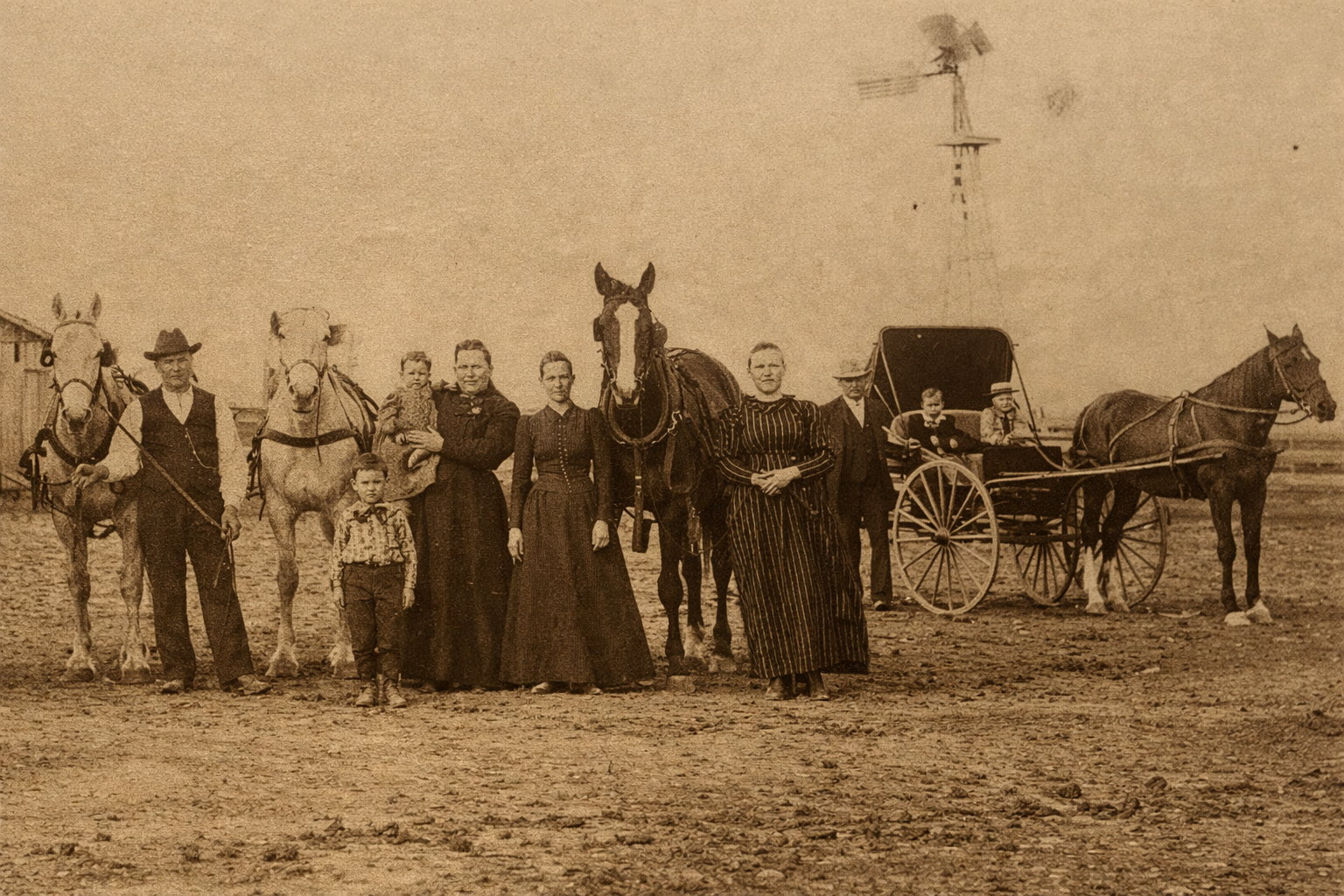
The Watkins side of my family came from Wales to Virginia in the early 1600s. Some of them arrived in 1608, and my direct ancestor, Henry Watkins, came around 1621 with breeding stock. Over the next two centuries the family moved west with their horses, through the Cumberland Gap to near Elizabethtown, Kentucky, in the 1700s, and on to Menard County, Illinois, by the 1820s.
It was there that my great-great-grandfather, Samuel Watkins, ran the Little Grove Stock Farm. In 1895 he bred Peter McCue, who became one of the foundation sires of the American Quarter Horse. Many of the Quarter Horses racing today carry his blood.
That side of the family comes down from Samuel through his daughter, my great-grandmother, Ella Watkins. The family kept part of that Illinois ground for generations; we called it the Sand Farm. There were horses on both sides of the family. My father was an Illinois racing commissioner in the 1960s and early ’70s and an avid rider, and my mother’s father raced harness horses.
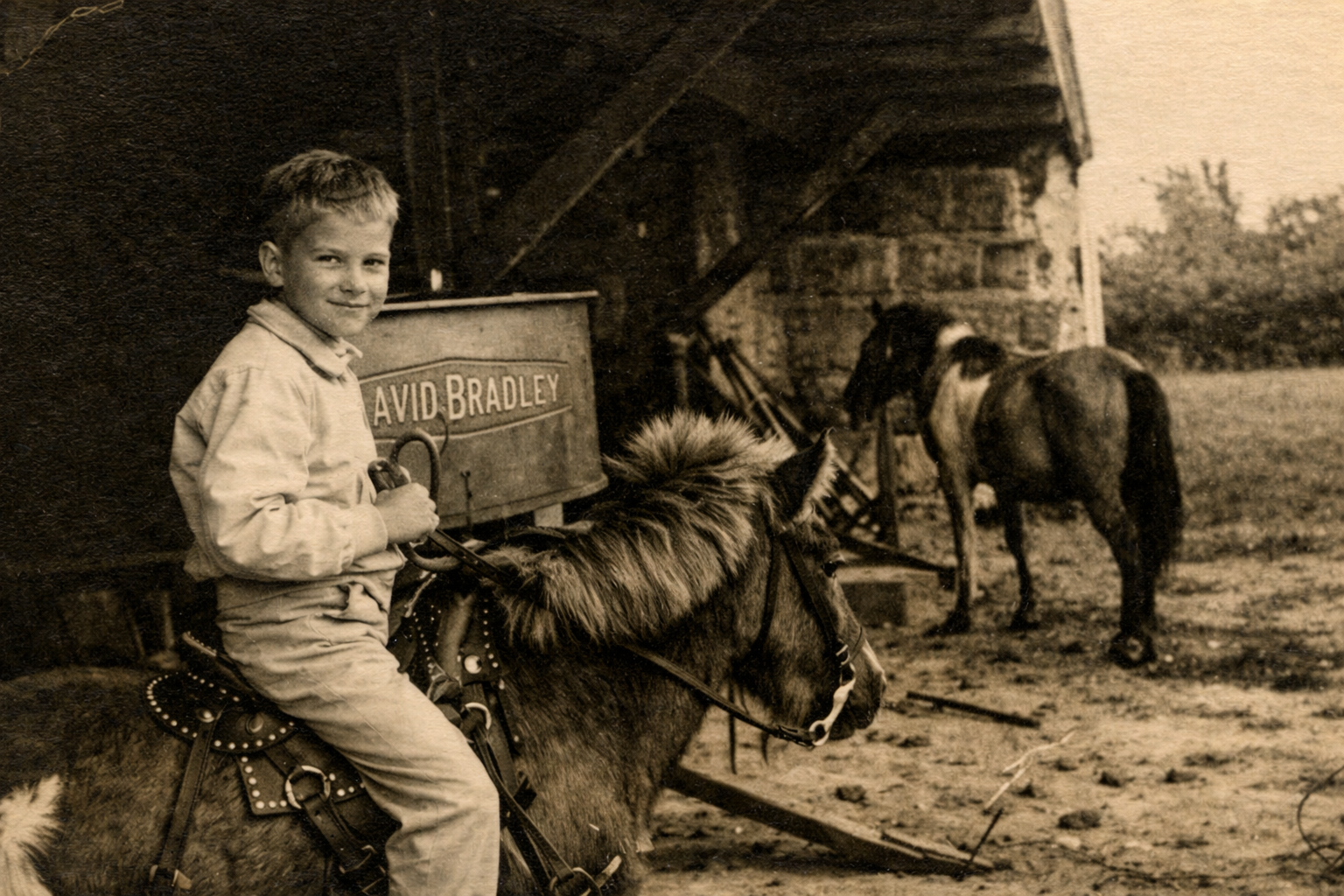
I started riding Tennessee Walkers at the age of five, and by thirteen had purchased a string of twenty Shetland ponies, which we raced on a thirty-acre alfalfa field that was sometimes used as a landing strip. They were paid for by selling my IT&T stock, back when there was still an International Telephone & Telegraph. Probably not my best investment. Others in the family were connected to horses, too: my brother Steve rode broncos in Colorado, and my sister Liz was a champion show horse rider throughout the Midwest.
Keeneland was the first racetrack I knew, and it still holds a place in my heart. Others came after it, and each stayed with me in its own way: the grandstand at Hialeah, the finish line at Golden Gate, the grounds at Arlington Park, and afternoons at Churchill Downs and Pimlico. Every one of those days was an event, and every one of them had something to teach.
Secretariat
In my last year at Transylvania University in Lexington, a friend told me you could drive up to Paris, Kentucky, and meet Secretariat. Doubting it, but wanting it to be true, I drove out to Claiborne Farm. Having parked, and seeing no one about, I walked to the end of the stud barn, where the men were arranging a breeding. When I got the chance, I asked whether a person could really meet him. They looked me over and said I could — down that lane, turn right at the end, he’d be in the pasture.
He was there, and he was the most beautiful horse I ever saw. Gallant, huge, funny, and fast. A sunny afternoon in Kentucky, and the chance to spend time alone with the greatest racehorse we’ve known — what a gift.
The Work
Before the decades in the consulting engineering firm, I earned a degree in philosophy, and it has served me here better than you might expect, because defining your terms, questioning the usual wisdom and following the evidence matter as much at the track as they do in a classroom. In the 1980s I even wrote handicapping software that was offered in the Daily Racing Form.
Over more than forty years of study, it became clear to me that a winning result at the track is rarely an accident. It depends on circumstances, and those circumstances have a structure that can be understood. Once that structure is clear, it sets strict requirements a race has to meet before it is worth a wager. The method behind 12 Horses Racing is built on those requirements. Most races fail them. The few that pass are the races on the weekend list.
The results are documented, weekend by weekend.